I'm a 3rd-year Cognitive Science student at UCSD, specializing in Design & Interaction with minors in CS and Marketing. I approach design as a storyteller first — I care about the reasoning behind a decision, not just how it looks. I'm building at the intersection of human cognition and AI-assisted craft: I provide the strategic thinking, the "why," and the big picture. AI handles the execution speed.
Find and rate bathrooms near you — built with an AI-assisted design workflow
A real problem nobody talks about: you're out, you need a bathroom, and you have no idea if the one nearby is worth walking into. Privy solves that. This project also documents how I used AI to accelerate from concept to prototype — handling execution while I focused on the product logic, user flows, and the reasoning that made the decisions land.
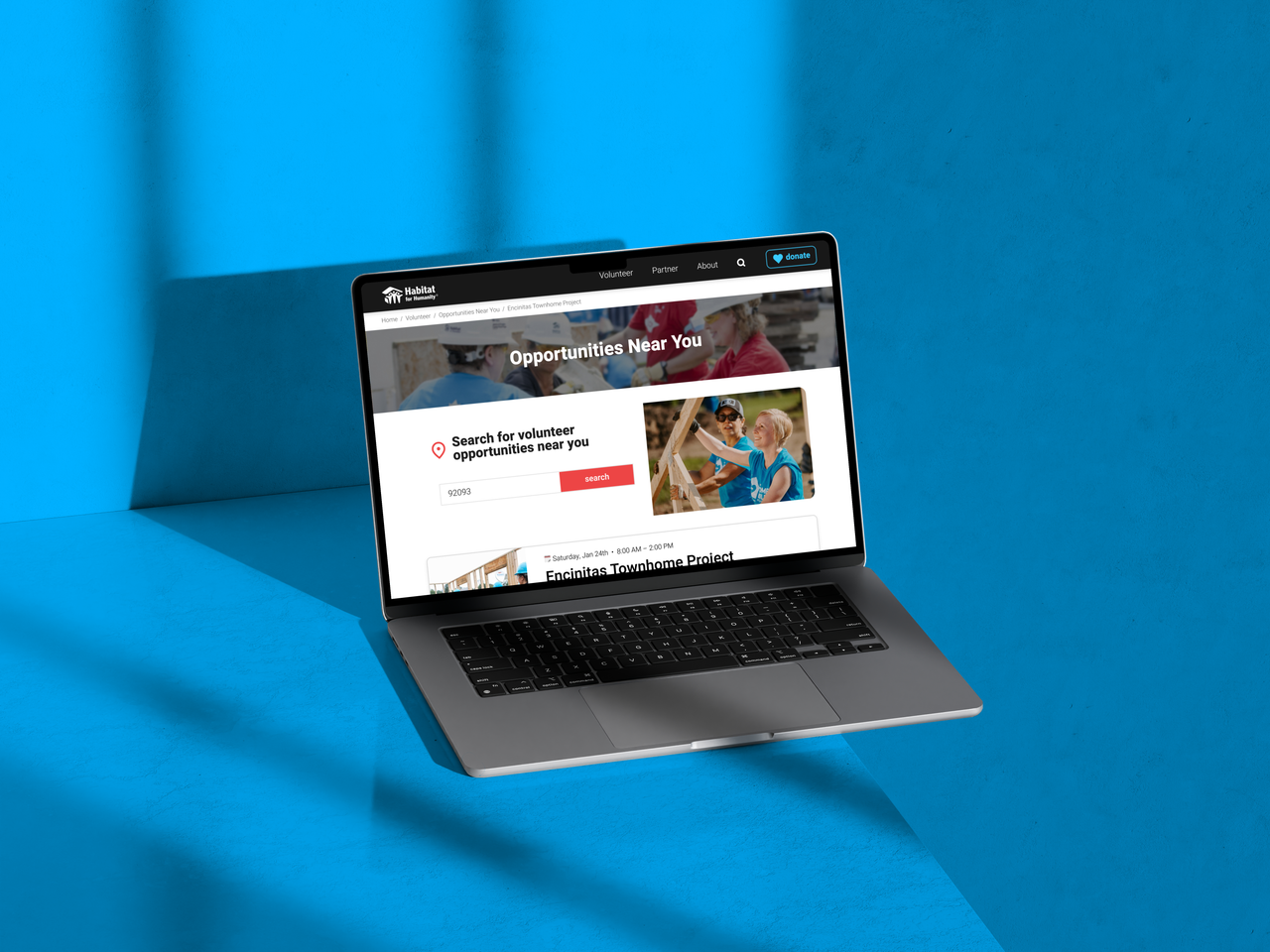
Website redesign — done through Design for America, not the foundation
Redesigned the site's information architecture and visual system to better serve two audiences that rarely overlap: donors and future homeowners. Learned a lot about designing for trust under real organizational constraints.
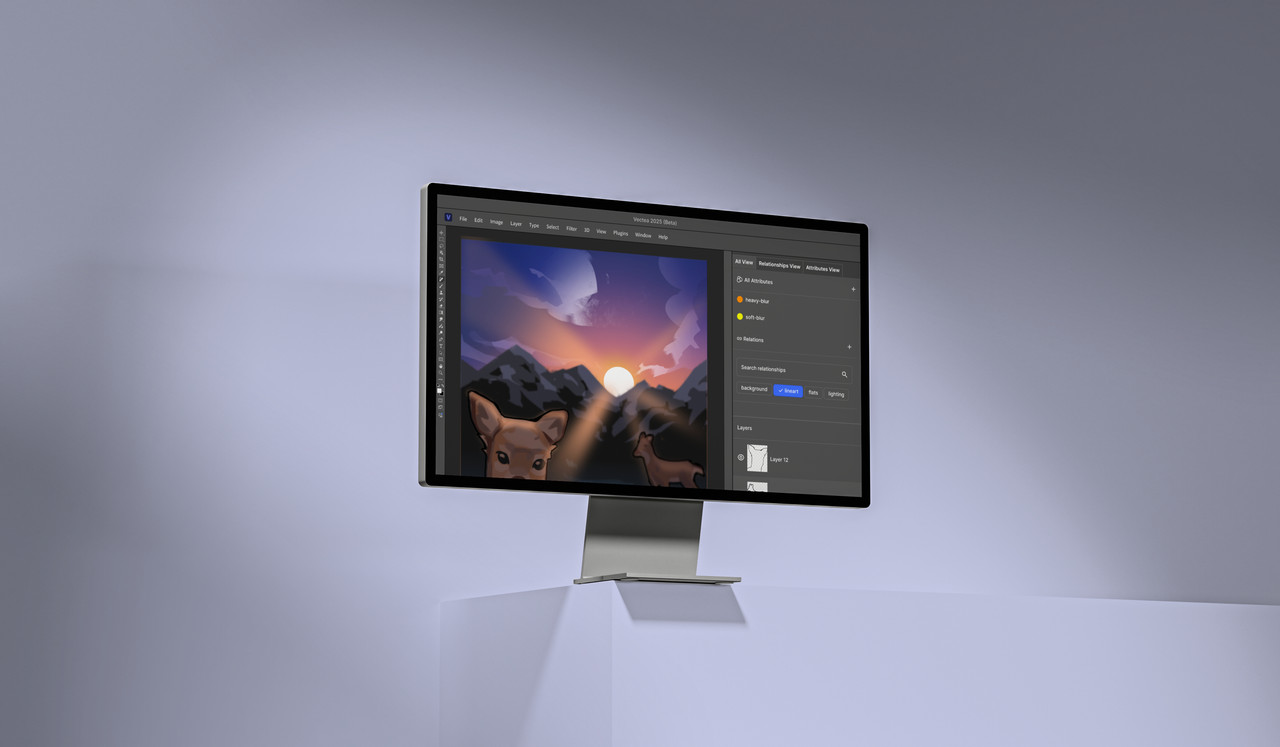
AI-assisted image & vector editing app
Designing the design tool. Vectea is an AI-native editor for images and vectors — the challenge was making powerful AI features feel intuitive rather than intimidating. Focused on the mental model: what does a user expect AI to do, and when do they want control back?
Most design problems aren't design problems. They're reasoning problems. I use AI to move fast on execution — so I can spend more time on the part that actually matters: understanding what we're solving and why it matters to a real person.
The brief is a starting point, not a brief. I dig into the user's context, the business's actual goal, and the gap between them. That gap is usually where the design lives.
Before wireframes, I write the story: who is this person, what do they believe, what has to change? If I can't tell the story of a design decision, I don't have one yet.
I use AI tools to prototype fast, generate variations, and stress-test ideas without getting stuck in Figma for a week. Speed of iteration is a design skill now.
Does it hold up when a real person touches it? Real feedback over internal assumptions, every time. I'd rather be wrong early than confident and wrong at launch.
I'm a 3rd-year at UCSD studying Cognitive Science with a specialization in Design & Interaction, and minors in Computer Science and Marketing. I've always been a creative — someone who thinks in narratives, pushes on assumptions, and isn't afraid to try something weird to see if it works.
Design clicked because it sits at the intersection of everything I care about: how people think, how systems behave, and how to communicate an idea clearly. I'm actively building toward an AI-augmented design practice — I supply the strategic reasoning and the human insight. The tools handle the rest.
Outside of work: raving, Clash Royale, Taco Bell at 2am. I take those seriously too.
Looking for internships, freelance projects, and collaborators who care about the reasoning as much as the result. If you have a problem worth solving, I want to hear it.